Posts

Showing posts with the label Yogic Diet

Which yoga and pranayama should be practiced for Common heart conditions , article.

Image
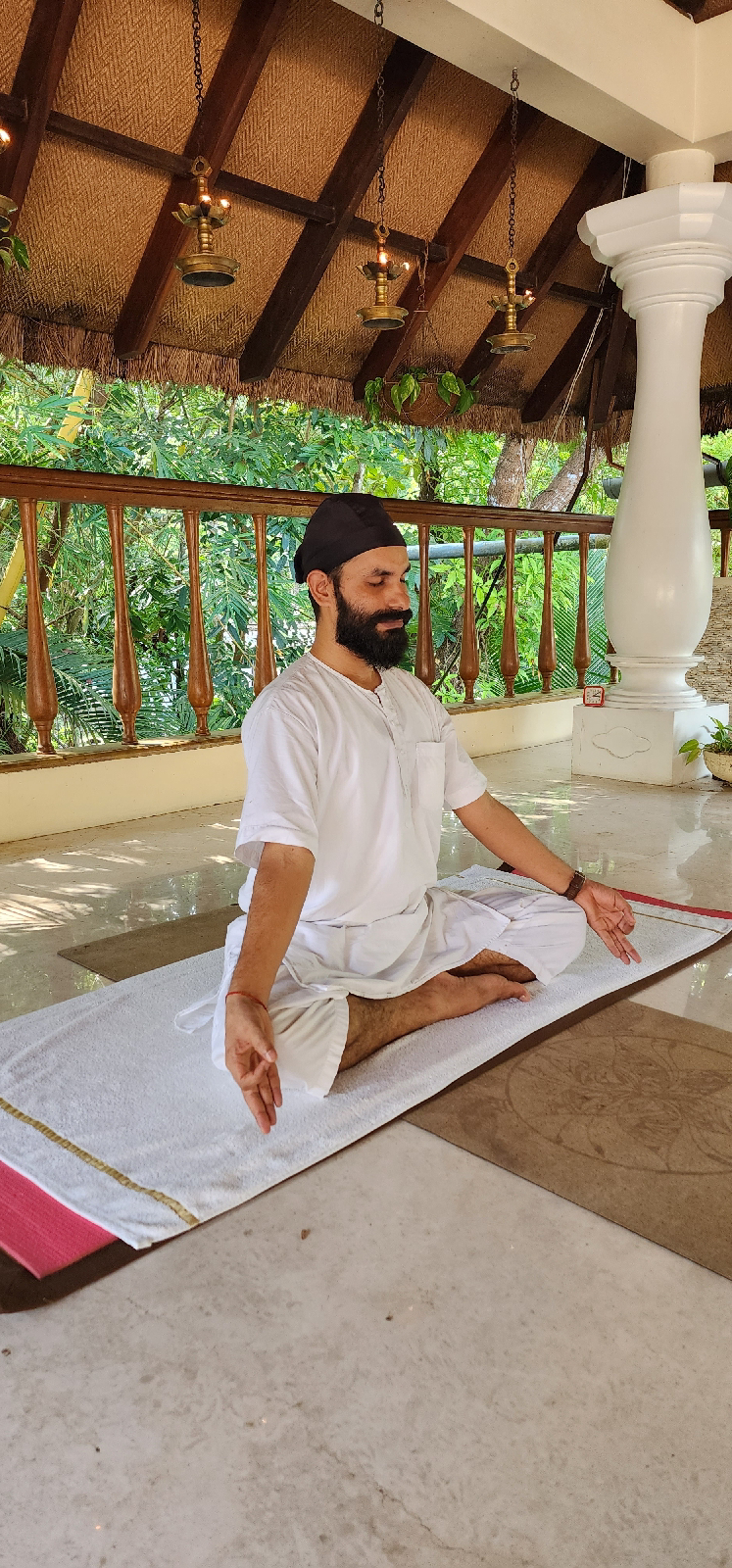
Yoga and pranayama are considered effective ways to prevent and manage a wide range of health conditions, including common heart conditions such as hypertension, coronary artery disease, and heart failure. Incorporating yoga and pranayama into a daily routine can improve cardiovascular health, reduce the risk of heart disease, and manage symptoms associated with heart conditions. In this article, we will discuss yoga and pranayama practices that are beneficial for common heart conditions. Hypertension Hypertension is characterized by high blood pressure and can lead to many health issues such as heart disease, stroke, and kidney failure. Practicing yoga and pranayama can help reduce blood pressure and manage hypertension. Some of the recommended practices include: Sukhasana (Easy Pose): Sit cross-legged on a yoga mat, with your back straight and your hands resting on your knees. Breathe deeply, filling your lungs with air and exhaling slowly. Viparita Karani (Legs Up...

Which yoga and pranayama should be practiced for Chronic kidney disease. article.

Image
  Chronic kidney disease (CKD) is a condition that affects millions of people around the world. It is characterized by a gradual decrease in the functioning of the kidneys, which can eventually lead to kidney failure. CKD patients often experience a range of symptoms, including fatigue, swelling, difficulty concentrating, and high blood pressure. While medical treatment is necessary for managing CKD, yoga and pranayama exercises can also be helpful. Yoga is a form of exercise that involves stretching, strengthening, and relaxation of the body, while pranayama is a breathing exercise that helps to calm the mind and reduce stress. Practicing yoga and pranayama can improve blood flow to the kidneys, reduce inflammation, and strengthen the immune system. Here are some yoga and pranayama exercises that are helpful for people with CKD. Sukhasana (Easy Pose) Sukhasana is a simple yoga pose that can be done by people of all ages. It involves sitting cross-legged with the hands resting o...

Surya namskar is and how yoga can be helpful for it, based on scientific studies and research. article

Image
  Surya Namaskar, also known as Sun Salutation, is a traditional yoga practice that involves a sequence of twelve asanas (postures) performed in a specific order. This practice is believed to be a complete workout for the mind, body, and soul. Surya Namaskar is done in honor of the sun, which is considered to be the source of health and vitality. In this article, we will provide a step-by-step guide for Surya Namaskar, along with do's and don'ts and its benefits. Surya Namaskar, also known as Sun Salutation, is a series of yoga asanas (postures) performed in a sequence to honor the sun and energize the body and mind. It is a popular yoga practice that has been associated with several health benefits. In this response, we will explore the health benefits of Surya Namaskar and the scientific evidence behind them. 1. Improves Flexibility and Strength One of the primary benefits of Surya Namaskar is that it improves flexibility and strength. The sequence of postures involves stretc...

Yoga and pranayama for Allergies article.

Image
  As the weather warms up and the flowers start to bloom, so do seasonal allergies. For many people, allergies can be a frustrating and uncomfortable experience, but there are natural remedies that can help alleviate the symptoms. Yoga and pranayama, the practice of breath control in yoga, have been shown to help reduce the symptoms of allergies and provide relief from congestion, inflammation, and other associated problems. In this article, we will explore how yoga and pranayama can be used as an effective remedy for allergies. What is an Allergy? An allergy is the immune system's reaction to a foreign substance that is not usually harmful to the body. These substances, called allergens, can include pollen, dust, pet dander, and certain foods. When the body comes into contact with an allergen, the immune system releases histamines, which cause inflammation and irritation of the affected area. This can lead to symptoms such as sneezing, runny nose, itchy eyes, and congestion. Wh...

Yoga for Sexually transmitted diseases article.

Image
Sexually transmitted diseases (STDs) or sexually transmitted infections (STIs) are infections that can be transmitted through sexual contact. Some of the most common STDs/STIs include chlamydia, gonorrhea, herpes, Human Immunodeficiency Virus (HIV), Human Papillomavirus (HPV), and syphilis among others. These infections affect both men and women, and they can lead to serious health complications if not treated on time. However, there are various preventive measures that one can undertake to reduce their risk of getting an STI, including practicing safe sex, getting vaccinated, and maintaining good hygiene. Yoga is a physical and mental practice that has been used for centuries to promote overall health and wellbeing. In recent years, studies have shown that yoga can also be used to manage various health conditions, including stress, anxiety, depression, and chronic pain. Additionally, yoga has been found to improve sexual function and satisfaction, making it a potential tool for manag...

Yoga and Pranayama for Common cold article.

Image
Yoga and pranayama are ancient practices that can help in the prevention and management of a common cold. A common cold is a viral infection that affects the upper respiratory tract, including the nose, throat, and sinuses. Symptoms of a common cold include runny nose, congestion, sore throat, cough, and body aches. While there is no cure for the common cold, there are several ways to manage its symptoms. Yoga and pranayama are some of the natural remedies that can help fight against the common cold. Yoga is an ancient practice that originated in India over 5,000 years ago. It is a holistic practice that includes physical postures, breathing exercises, meditation, and relaxation techniques. Yoga has several health benefits, including boosting the immune system, reducing stress, and improving overall well-being. The following yoga postures can help relieve symptoms of the common cold: 1. Tadasana (Mountain Pose) - This posture helps to improve posture, stretch the spine, and open up the...

Eyes weakness which yoga & pranayama posture is best. article !!

Image
  Eyes are one of the most important organs of the human body. Eyes weakness is a common problem that can occur due to various factors such as prolonged exposure to digital screens, lack of sleep, genetic factors, or unhealthy lifestyle habits. Yoga and pranayama are traditional forms of exercise that have been used to help relieve eye weakness and improve overall eye health. In this article, we will discuss some of the best yoga and pranayama postures to improve eye health. Weakness in the eyes can be caused by a number of factors such as excessive screen time, reading in dim light, lack of sleep, nutritional deficiencies, and certain medical conditions. Practicing yoga and pranayama can help improve the strength and flexibility of the eyes and also help reduce eye strain and fatigue. Here are some yoga and pranayama postures that can help improve eye health. Before we delve into the poses, it is important to understand that eye exercises alone cannot cure eye problems that may r...

Osteoarthritis is and how yoga can be helpful for it, based on scientific studies and research.

Image
 Osteoarthritis (OA) is a degenerative joint disease that affects millions of people worldwide. It is a chronic condition characterized by the breakdown of cartilage in the joints, leading to pain, stiffness, and reduced mobility. Although OA can affect any joint in the body, it most commonly affects the hips, knees, and hands. While there is no cure for OA, there are several treatment options available to manage its symptoms. These include medication, physical therapy, and lifestyle changes. One alternative therapy that has gained popularity in recent years is yoga. Yoga is a holistic practice that combines physical postures, breath control, and meditation to promote overall health and well-being. It has been found to be beneficial for a range of health conditions, including chronic pain, anxiety, and depression. But can yoga really help manage the symptoms of OA? Let's explore what the research says. Yoga and Osteoarthritis: What the Research Says Several studies have investigate...

Yoga and Parnyama for Osteoarthritis. article

Image
 Osteoarthritis (OA) is a degenerative joint disease that affects millions of people worldwide. It is characterized by the breakdown and loss of cartilage in the joints, leading to pain, stiffness, and decreased mobility. While there is no cure for OA, there are several treatment options available, including medication, physical therapy, and surgery. In recent years, the use of yoga and pranayama (breathing techniques) has gained popularity as a complementary therapy for OA. This article will explore the benefits of yoga and pranayama for OA and provide guidance on how to incorporate these practices into a daily routine. Yoga for Osteoarthritis: Yoga is a mind-body practice that combines physical postures (asanas), breathing techniques (pranayama), and meditation. It has been shown to have numerous health benefits, including reducing stress, improving flexibility and balance, and increasing strength. For people with OA, yoga can be a gentle, low-impact form of exercise that can hel...

yoga for Sexually Transmitted Diseases (STDs).

Image
Yoga is a holistic approach to health and wellness that can be beneficial for individuals dealing with sexually transmitted diseases (STDs). While yoga may not cure STDs, it can help manage some of the symptoms and improve overall physical and mental health. In this article, we will explore some of the ways in which yoga can be helpful for individuals with STDs. 1. Stress Reduction Individuals with STDs face a lot of stress and anxiety, which can negatively impact their physical and mental health. Practicing yoga regularly can help reduce stress levels and promote a sense of calmness and relaxation. Yoga postures, breathing techniques, and meditation can help individuals manage their emotions and reduce anxiety and depression. 2. Immune System Boost Yoga can help boost the immune system, which is essential for individuals with STDs. The immune system is responsible for fighting off infections, and individuals with STDs need a strong immune system to fight off the infection and prevent ...

Yoga and Parnyama for infertility.

Image
Infertility is a complex problem that can be caused by a variety of factors, including hormonal imbalances, stress, and lifestyle factors. While there are many medical treatments available for infertility, yoga and pranayama, which are traditional practices from India, can also be beneficial in helping to address the underlying causes of infertility.   Yoga is a mind-body practice that combines physical postures, breathing exercises, and meditation to promote physical and mental health. Pranayama is a type of yogic breathing exercise that involves controlling the breath in order to regulate the flow of prana, or life force energy, through the body. Together, yoga and pranayama can help to reduce stress, balance hormones, and improve overall health, all of which can have a positive impact on fertility.   One of the main ways in which yoga and pranayama can help with infertility is by reducing stress. Stress can have a negative impact on fertility by disrupting the del...

Describe six effective yoga poses or stretches that are safe and excellent for people of all ages.

Image
Here are six yoga poses or stretches that are safe and effective for people of all ages: 1. Mountain Pose (Tadasana): This pose focuses on standing tall with proper alignment, which helps to improve posture and balance. Stand with your feet hip-distance apart, arms at your sides, and shoulders relaxed. Ground down through your feet and engage your leg muscles. Lift the crown of your head up towards the ceiling while keeping your chin parallel to the ground. Take a few deep breaths in this pose to center yourself. 2. Downward-Facing Dog (Adho Mukha Svanasana): This pose stretches the hamstrings, calves, and spine while also strengthening the arms and shoulders. Start on your hands and knees with your hands slightly ahead of your shoulders and your knees hip-distance apart. Lift your hips up and back, straightening your arms and legs to come into an inverted V shape. Keep your head and neck relaxed, and press your palms and feet into the ground to deepen the stretch. 3. Child's Pose ...

What depression diet is and how yoga can be helpful for it, based on scientific studies and research.

Image
  Depression is a highly prevalent mental health condition that can significantly impact an individual's life. It is estimated that over 300 million people globally suffer from depression. Although there are various treatments available for depression, such as psychotherapy and medication, diet and exercise can supplement them effectively. In this article, we will focus on the depression diet and the role of yoga in alleviating the symptoms of depression. The depression diet is a dietary plan focused on consuming specific nutrients that have been proven to be beneficial for mental health. Some foods have been found to have antidepressant properties, while others can trigger anxiety or depression. Studies suggest that a diet rich in fruits, vegetables, and lean protein can improve symptoms of depression. One study published in the Public Health Nutrition journal found that individuals who followed a diet high in fruits, vegetables, and lean protein had a lower risk of depression. ...

Yoga for depression

Image
  Yoga for depression has been gaining popularity in recent years as an effective natural method to alleviate symptoms of depression. Depression is a serious and debilitating mental health condition characterized by feelings of intense sadness, hopelessness, and despair. It is often accompanied by physical symptoms such as loss of appetite, fatigue, and sleep problems. If left untreated, depression can have severe consequences, affecting every aspect of a person's life, including their relationships, work, and overall sense of wellbeing. While medication and psychotherapy are commonly used to treat depression, some people have turned to yoga as an alternative or complementary therapy. What is yoga? Yoga is an ancient Eastern practice that involves physical postures, breathing techniques, meditation, and relaxation. The goal of yoga is to create balance and harmony between the mind, body, and spirit. There are several different styles of yoga, ranging from gentle forms that focus...